Bachata Basics: Finding Your Rhythm and Connection
Bachata's slower pace makes it perfect for beginners. We break down the four-count rhythm and how to lead or follow with confidence.
What Makes Bachata Special
Bachata isn't about being flashy. It's about connection — between you and your partner, and between you and the music. That's what draws people in. You don't need years of dance experience to understand it. You don't need to be young. You just need to want to move.
The rhythm is straightforward. Four counts, simple weight shifts, and a natural sway. We've taught hundreds of dancers in their 50s, 60s, and beyond who came in thinking they had two left feet. Most of them were dancing confidently within weeks. The reason? Bachata rewards patience and presence.

Understanding the Four-Count Rhythm
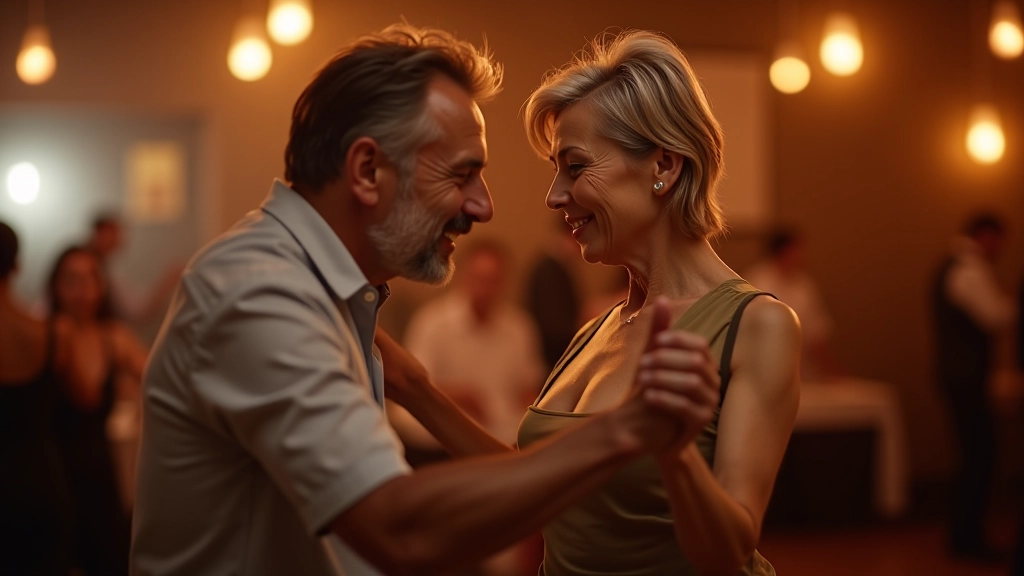
Bachata moves to a steady four-count beat. It's not complicated. You step on count one, two, three — then pause on count four. That pause matters. It's where the magic happens. That moment of stillness lets you feel your partner's weight, their intention, their presence.
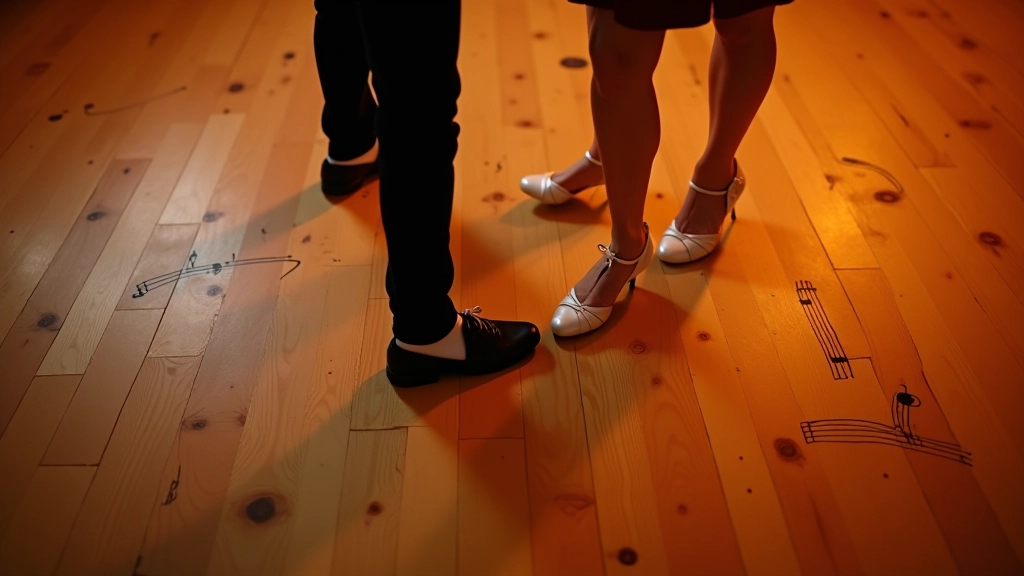
The basic step is just side-together-side-pause. Left foot to the side, right foot closes to meet it, left foot steps again, and you pause. Then you reverse it going the other direction. That's it. That's the foundation of everything else in bachata.
The pause isn't empty space. It's where connection deepens. Your partner feels you breathing, feels you present. It transforms a basic step into something intimate.
Leading and Following With Confidence
If you're leading, you're not forcing. You're suggesting through gentle pressure and clear body movement. Your frame stays stable. Your upper body stays relatively still. The lead happens through your core, through subtle changes in weight and direction. Your partner responds to clarity, not strength.
If you're following, you're not waiting. You're anticipating. You stay connected through your frame — that gentle contact at the hands and sides — and you respond immediately to what your partner communicates. Following well actually takes more attention than leading. You're reading someone else's body language moment by moment.
- Maintain frame: Shoulders relaxed, arms gently bent, hands connected
- Stay grounded: Knees slightly bent, weight in your feet, not up in your chest
- Breathe: Tension kills rhythm. Let your shoulders drop, let air in
- Make eye contact: Not always, but regularly. It builds trust and presence

How to Build Your Skills
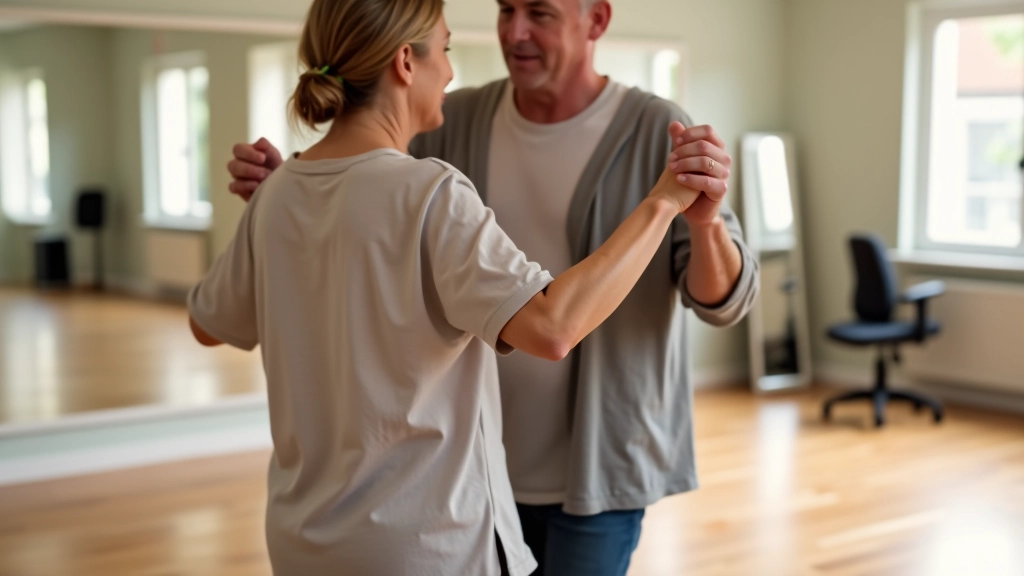
You won't learn bachata by watching videos. You learn it by doing it, repeatedly, with feedback. That's why we keep our class sizes small — so coaches can actually see what you're doing and adjust your frame, your weight placement, your rhythm. We run beginner sessions twice weekly, 90 minutes each. That consistency matters more than length.
Most people feel noticeably more comfortable after 4-6 weeks of regular practice. You'll start leading or following without thinking about your feet. Your body learns the pattern. Then you can actually pay attention to your partner, to the music, to the moment.
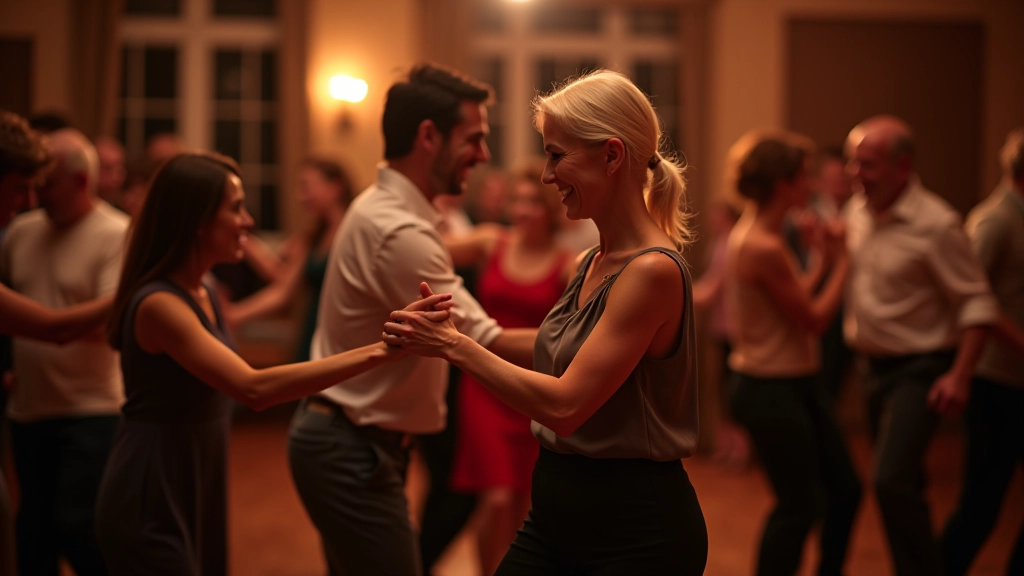
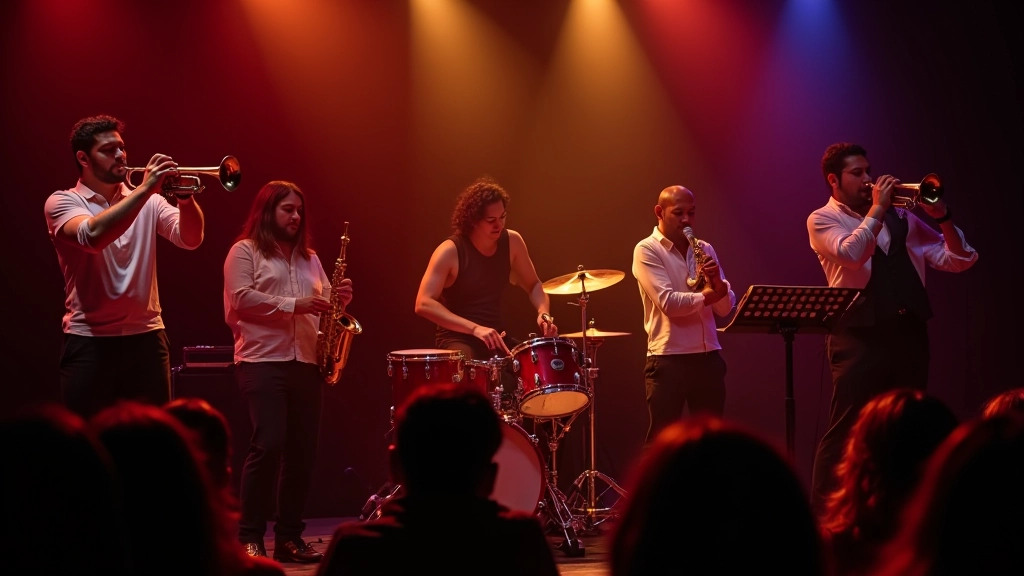
We also host monthly fiesta events with live music. Those aren't performances. They're practice in a fun, low-pressure social setting. You'll dance with different partners, hear live bands, and actually use what you've been learning in class. It's where learning becomes living.
The Real Point of Bachata
We teach technique, yes. Frame, footwork, rhythm — all important. But what you're really learning is how to be present with another person. How to communicate without words. How to listen through touch. That's the connection people come back for.
We've had people tell us that bachata changed how they relate to their partners at home. They're more attentive. More patient. They listen better. That probably sounds strange for a dance class, but it makes sense. Bachata is built on attention. You can't fake it.
"I came because my wife wanted to try something together. Wasn't sure I'd enjoy it honestly. But after the first month, I realized I was actually relaxed during those classes. Just focused on moving with her. Don't get that much anymore."
— Pierre, 52
Educational Note: This article provides introductory information about bachata technique and learning approaches. Individual results vary based on fitness level, prior dance experience, and practice consistency. Always consult with instructors about modifications if you have physical limitations or health concerns. Our coaching team assesses each participant individually during classes to ensure safe, appropriate progression.
Related Articles